



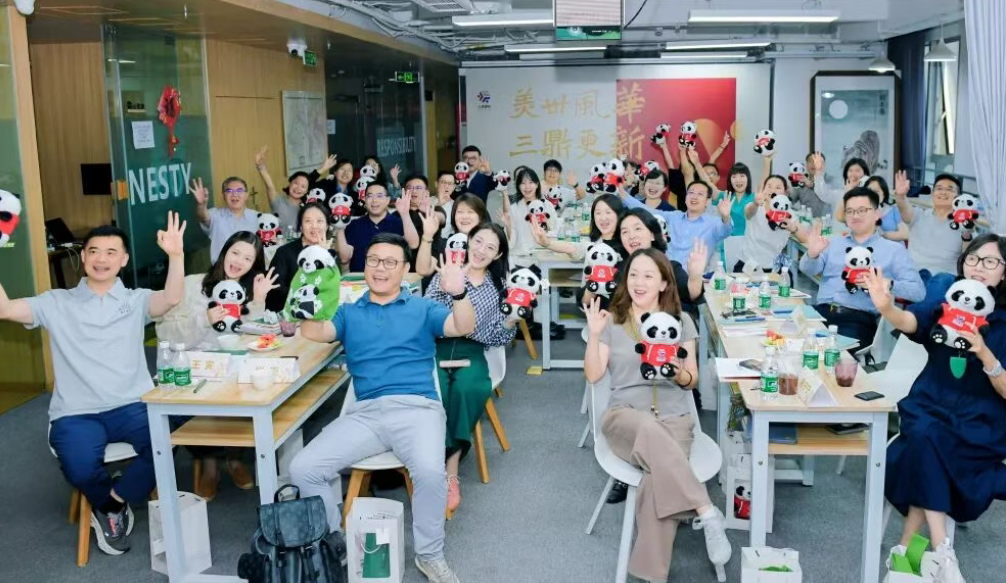
In late May 2026, we gathered in Chengdu to discuss the future of international education. Our thoughts naturally turned to Dujiangyan, the ancient irrigation project that has nourished this land for over 2,000 years.
Over 2,000 years ago, without Newton's laws or fluid mechanics, Li Bing and his son didn't try to block the floods or flatten the mountains. They respected nature's laws, followed their intuition to solve problems, and built a wonder that still irrigates the Land of Abundance today.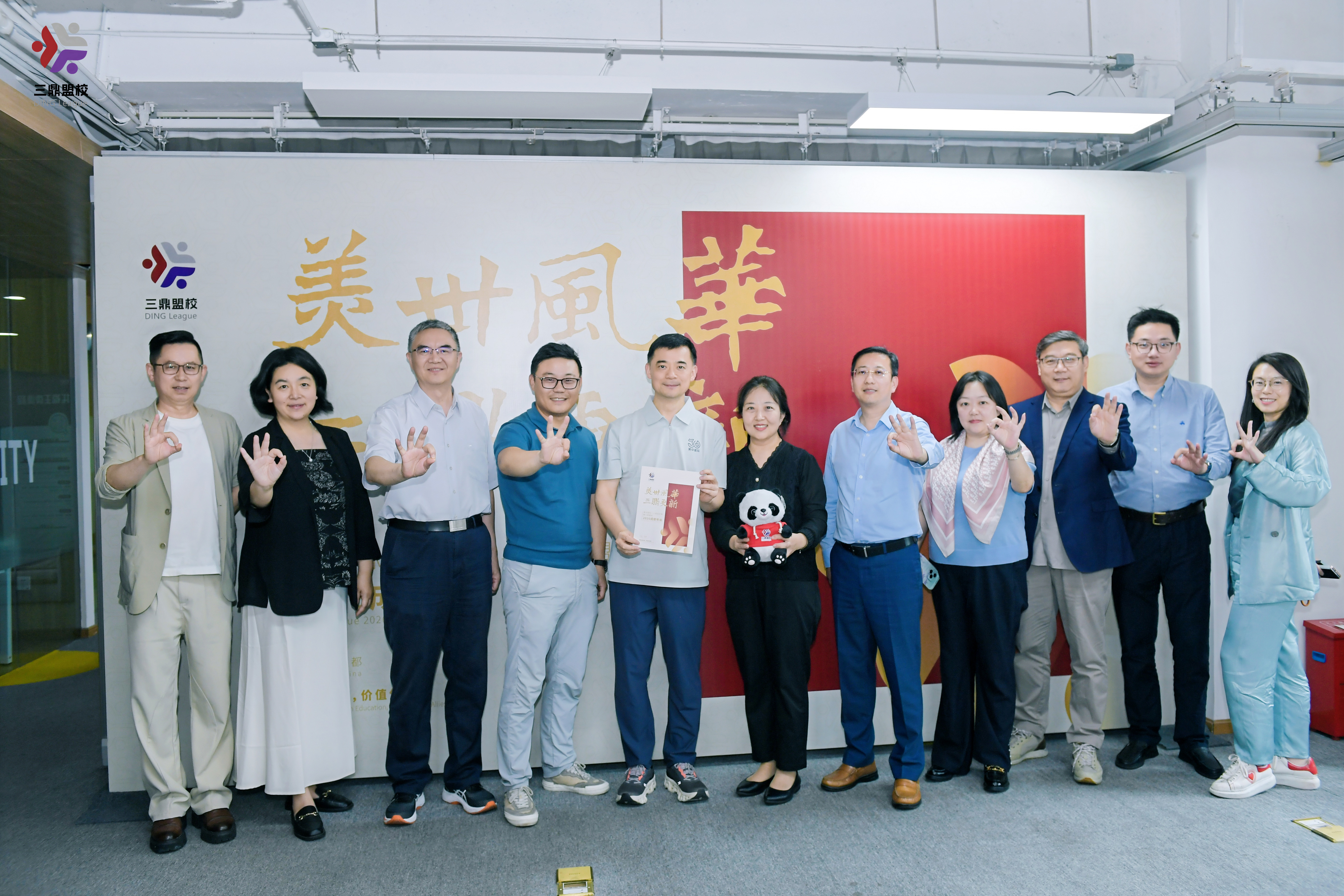
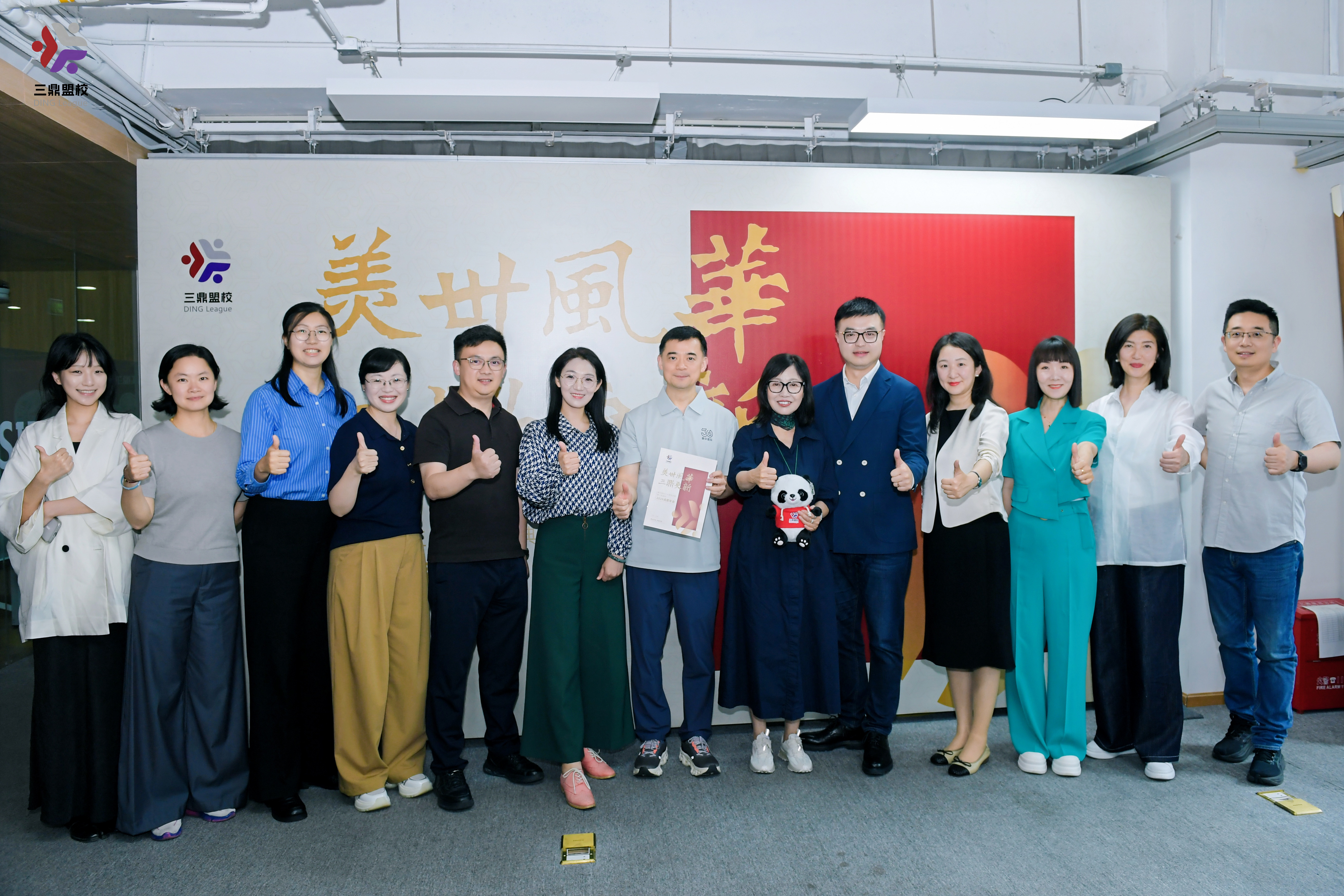

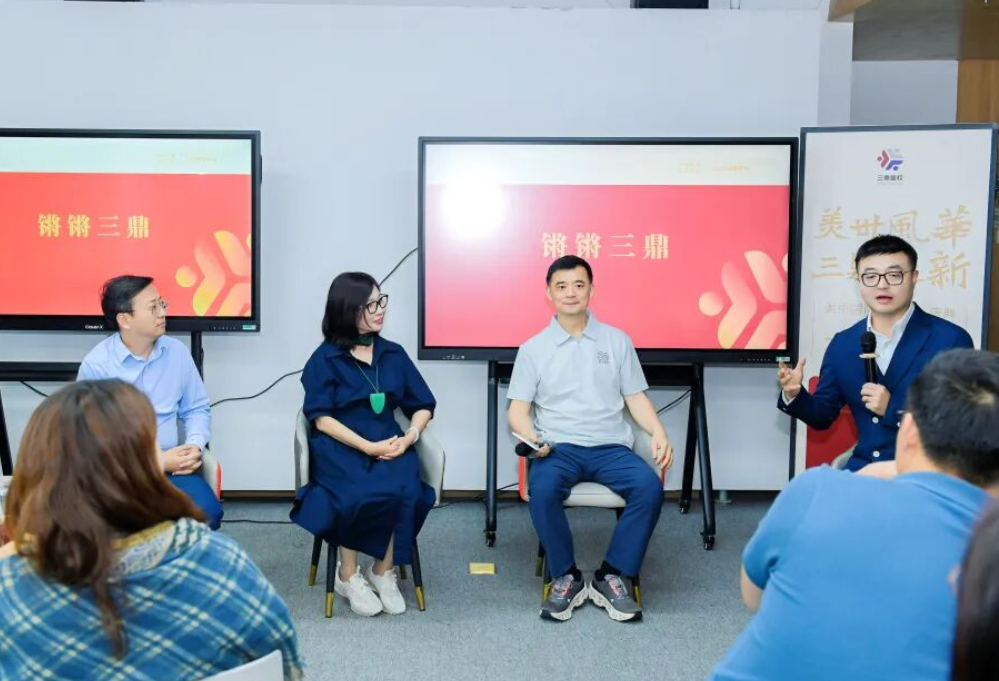
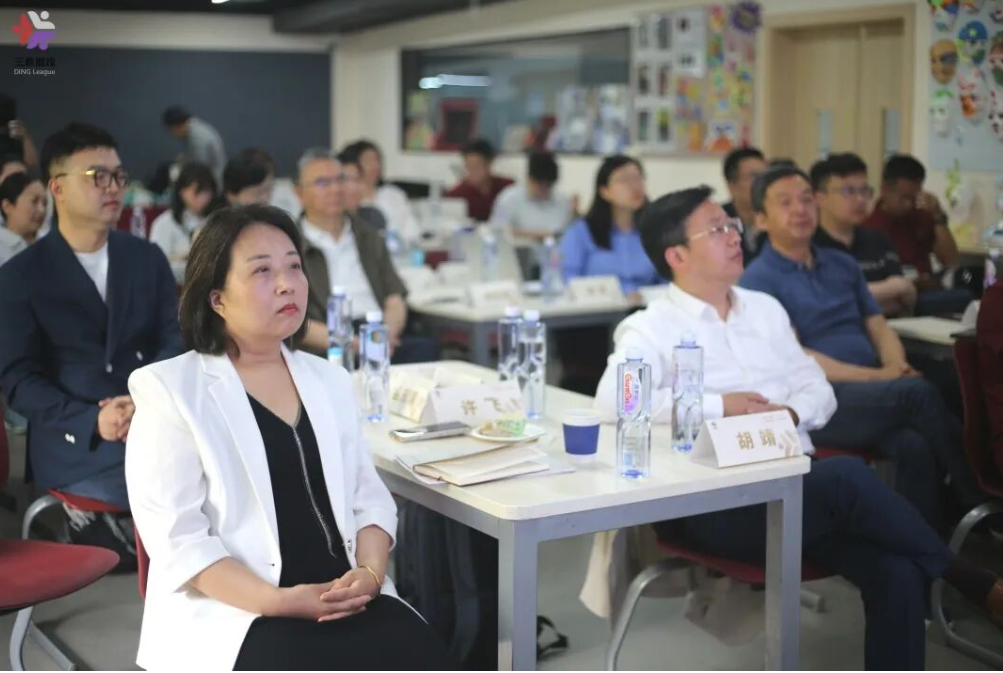
As partners and fellow advocates, leaders from nearly 40 international schools under the Meizhong, Ray, and Xueling education groups gathered for the second DING League Summit, with the goal of "letting quality education flow and innovation genes coexist."
At a time when the international education industry faces market saturation and AI disruption, we're searching for our own "Dujiangyan" — not rigidly applying past formulas, not panicking over technological change, but respecting the rules, going with the flow, and finding our own path.
Schools Are Not Walled Gardens, But Thriving Rainforests
Zhang Ruimin, founder of Haier, once said, "Products will be replaced by experiences, and industries will be covered by ecosystems." This applies perfectly to education.
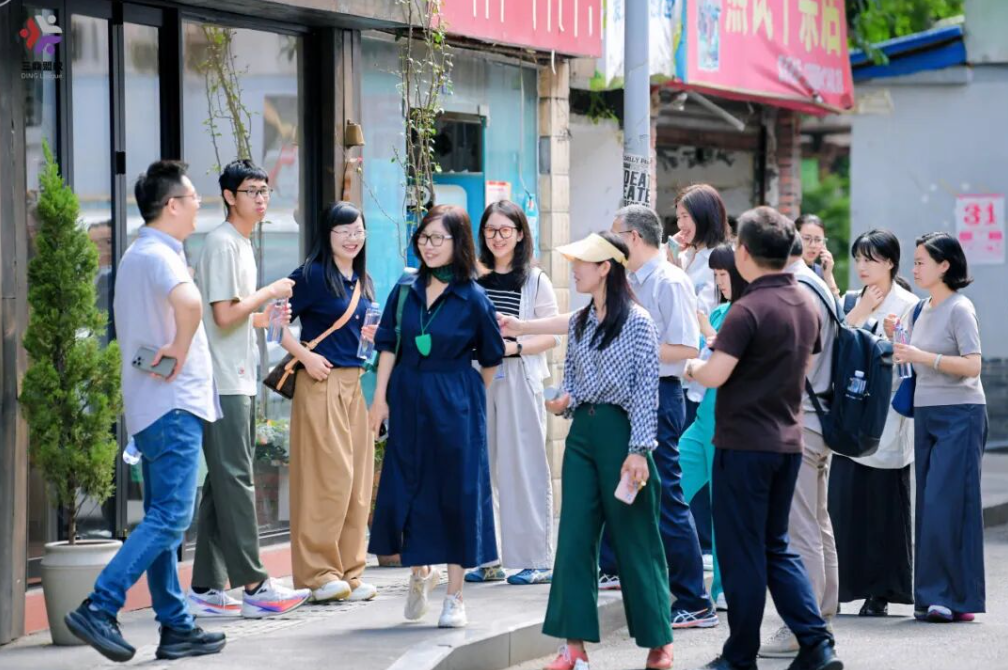
This year, we visited the Curiosity Learning Community in Chengdu's Yulin neighborhood. This school without walls was eye-opening: no standard classrooms, no uniform schedules. Kids follow their interests through projects and learn skills from people in various trades around the community. The school has essentially transformed from a "walled garden that trims flowers to a standard" into a "rainforest where every life finds its place."

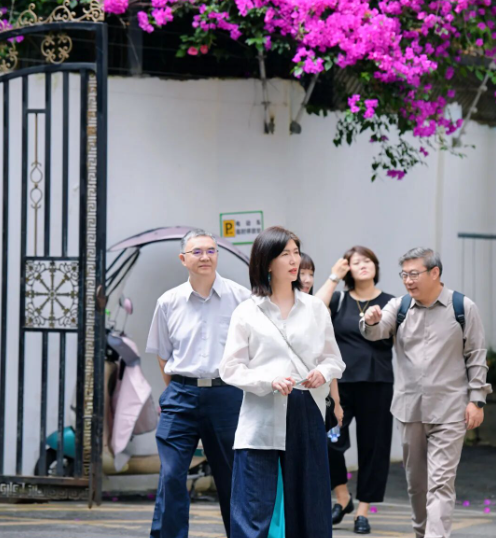
Walking through Yulin's streets, Dr. Chang Shengyuan, Director of Ray Education Group's School Development Committee, noted that true educational spaces aren't confined to buildings. The Curiosity Community doesn't have a fixed classroom for economic reasons, but this "unfortunate" byproduct revealed an educational truth: bookstores, cafes, old alleyways, community centers, street markets... these places "carry authenticity and complexity, sparking learning energy that closed classrooms can't achieve." He also pointed out: education cannot be detached from life — a class on life and death, a pizza-selling project, are far closer to the true meaning of education than hollow essay prompts.
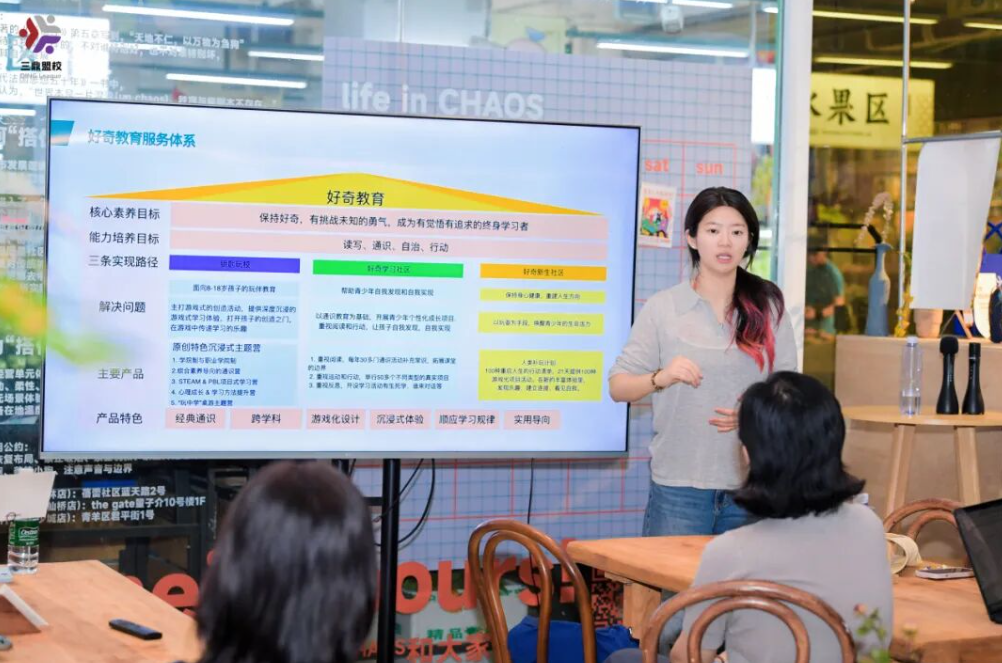
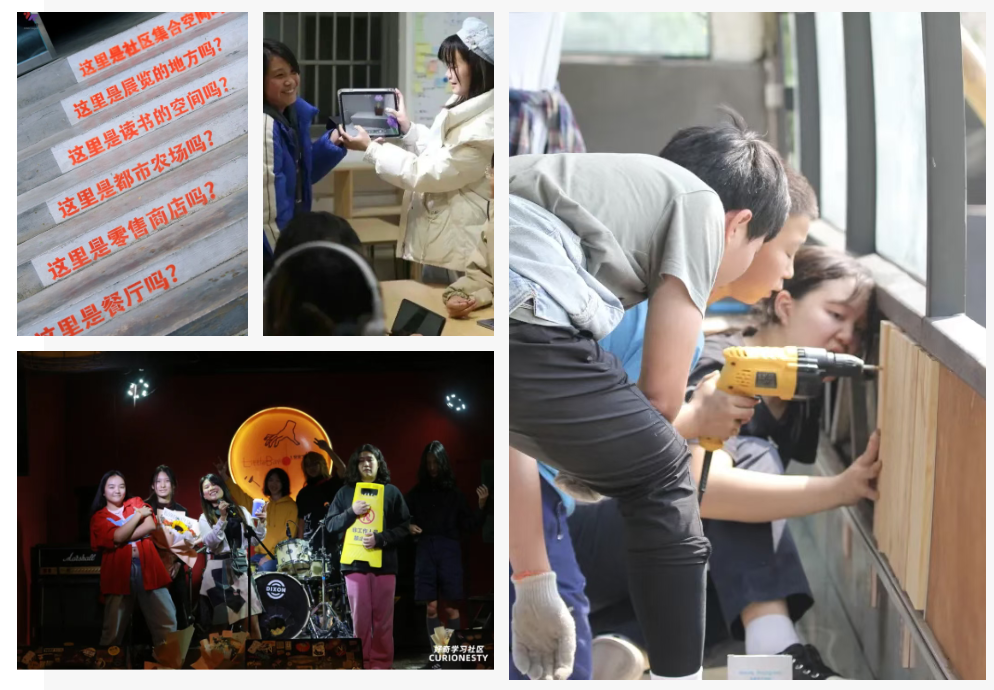
Dr. Chang corrected a common misconception — many children here aren't "problematic"; rather, traditional single-dimensional evaluation is the problem. He compared traditional schools to "assembly lines," while the Curiosity Community is more like an "ecosystem": adding depth to courses, reducing spatial constraints, and multiplying evaluation methods, allowing each young plant to grow its own way.
This reinforces the core consensus of this year's meeting: international education should be such a rainforest. Not all schools need to follow the same path to scale. Small, distinctive schools have their space, and large leading schools hold up the industry. When everyone shares resources and thrives together, the whole ecosystem stays healthy.
Under the AI Wave, the Logic of School Growth Must Change
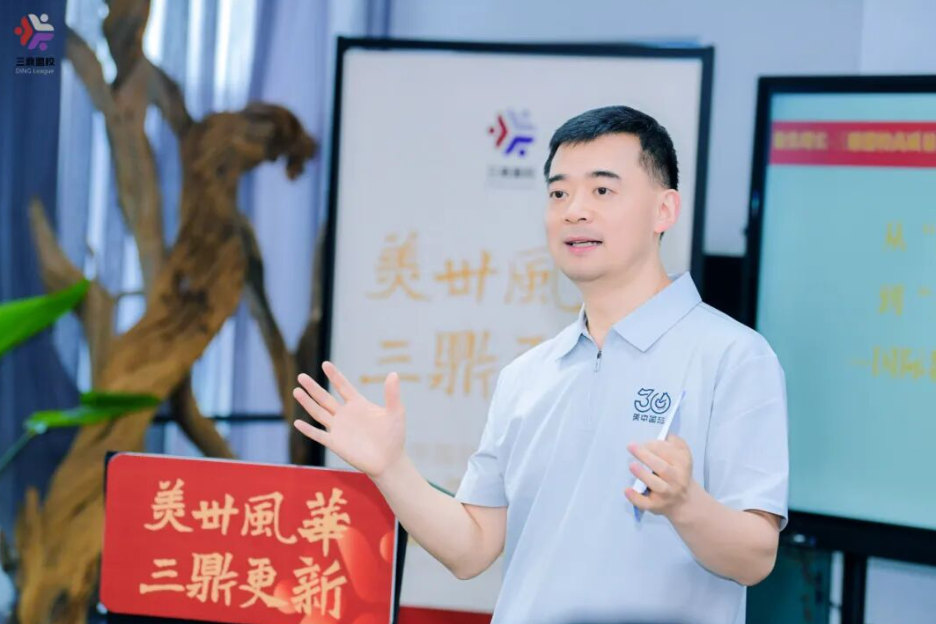
Wang Yin (Meizhong): Thirty Years of Experience, Shifting from "Finding a School for Students" to "Finding a Future for Families"
As a benchmark with 30 years in the industry, Wang Yin shared his insights on the changing logic of education: today's competition isn't about being faster in the same lane, but choosing the right lane — the wrong direction means the faster you go, the further you stray. What Chinese families lack most isn't information, but a "full map." Based on this, Meizhong announced its upgrade from an "international education service provider" to a "platform for Chinese families to plan diverse domestic and international educational pathways." It helps families build three maps: academic, career, and global growth. Through the Aizhi Education Park, it offers three pathways (US high school+AP, Singapore Foundation+Year 1, Japanese high school), with personalized plans and timetables, achieving the shift from "finding a school for students" to "finding a future for families" — making the world a space for the next generation of Chinese families.
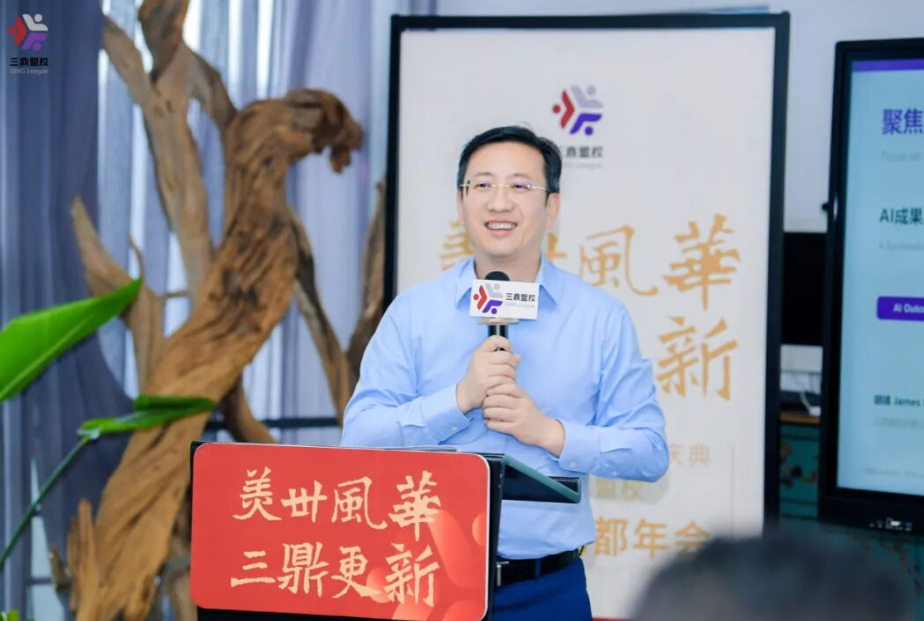
Hu Jing (Ray Founder): A Four-Dimensional Growth Framework, Breaking the Physical Boundaries of Schools
AI is no longer a concept but a real force driving school development. At the Zhezhong campus, AI reduced student homework time by 40%, raised average math scores by 18%, and cut teacher grading time by over 60%. Zhendan Foreign Language Middle School uses an "AI-empowered smart classroom" approach, shifting from lectures to inquiry-based, interactive learning. Adcote School Malaysia students reached the national AI competition finals. AI's value isn't just efficiency; it frees teachers from repetitive tasks, letting them focus more on education itself. Meanwhile, Ray is building a future-oriented "four-dimensional growth framework" through AI, global mobile classrooms, niche language programs, and dual overseas headquarters, pushing schools from traditional boundaries to a global resource network. Growth is no longer just about size, but a systematic upgrade in resources, curriculum, talent, and platforms.
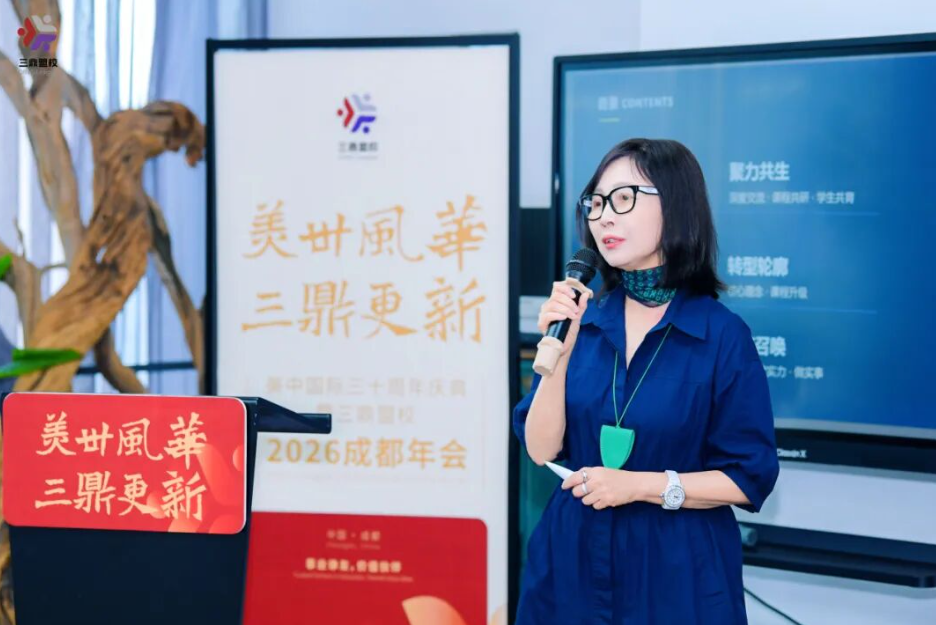
Tang Heping (Xueling Founder): A Third Path — "Personal School" with Mastery-Based Learning Support
Tang Heping proposed a new direction for alliance schools focused on "symbiosis, integration, and coexistence," offering a third path distinct from traditional public schools and training centers. The core is shifting from "school-centered" to "student-centered," aiming for students with good grades, strong abilities, and happy attitudes. Implementation relies on a "mastery-based education system using knowledge mapping and data feedback loops." By breaking down knowledge points, closing data loops daily/weekly, and using AI assistants, personalized education becomes a replicable model. The alliance will support member schools in implementing this system with shared resources and teachers.
Proven Practices: Doable Now, Not Just for the Future
The ideas shared weren't just theories; all cases are replicable successes:
Mianshiwai Campus Transformation Model
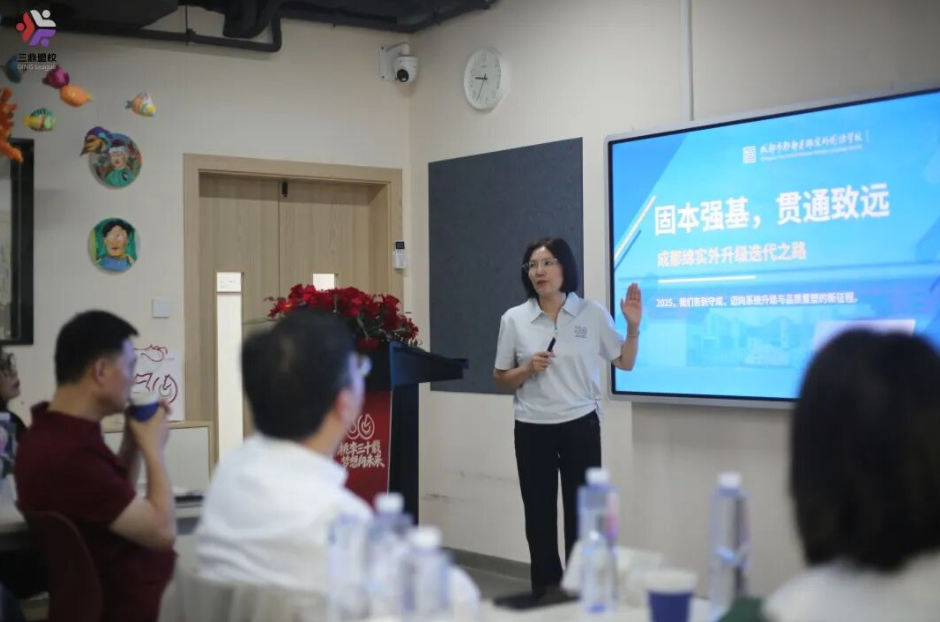
Principal Jin Dongqing shared the upgrade of Chengdu Mianshi Foreign Language School. Rooted in local needs in western Sichuan, it created a "low entry, high outcome" label. Through restructuring the three-tier curriculum (national + extended + competition), implementing tiered teacher development, and optimizing parent-school operations, its high school enrollment rate rose 32% in three years, enrollment exceeded 2,000, achieving growth in both reputation and numbers — a reference model for public-partner schools to differentiate themselves.
TICC Cunzhi Campus Growth Model
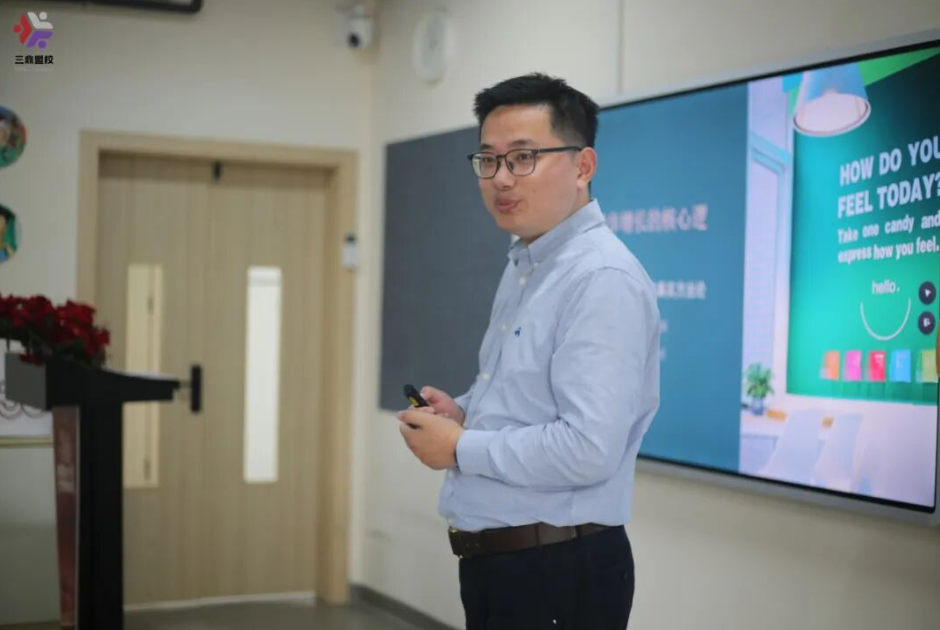
Principal Qian Changsheng shared how TICC grew from a struggling 30-student program to a top DSE school in the region with 170 students over six years. They didn't chase hot trends or expand recklessly, but focused on serving the specific needs of Hong Kong students and returning families. They restructured the localized DSE curriculum and implemented a full mentorship system, achieving a 27.91% internal recommendation conversion rate through word-of-mouth, an NPS of 8.91, and 96% of 2026 grads getting into QS top 100 universities. A small school can achieve high-quality growth by finding its niche. Next steps include AI agents for teaching and admin, aiming for a stable 200-student model school.
Hainuo School Development Model
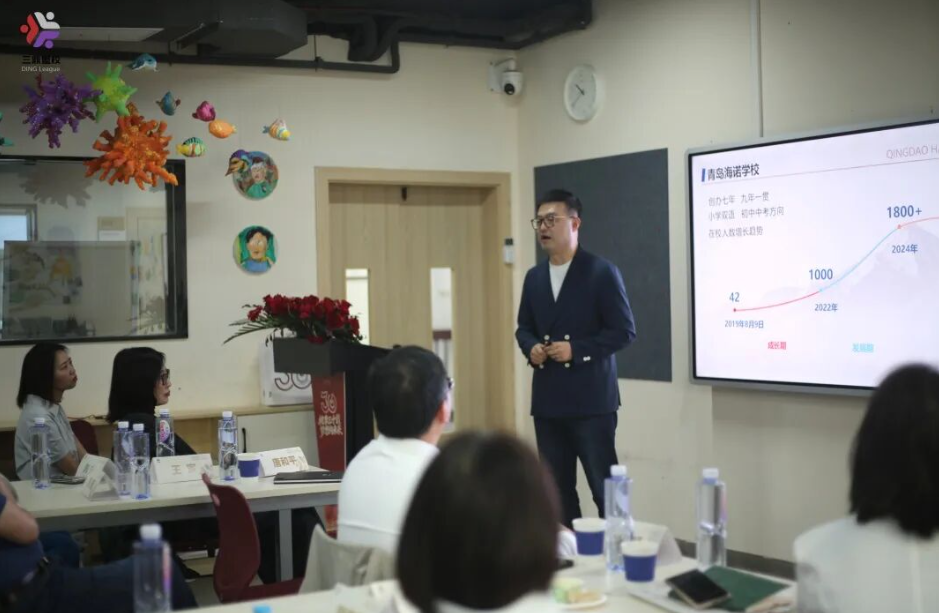
Principal Liu Jiajia shared how Hainuo grew from just 42 students in 2019 to a regional leader with over 1,800 students in 7 years, offering lessons for small private schools:
It implemented an "Emotion-Intelligence Integration" three-tier curriculum, balancing academics and character development.
It innovated governance, moving from top-down control to diverse collaboration with a "Five Departments, One Center" structure and talent-first strategies.
It stuck to a long-term brand strategy, achieving "quality-taste-brand" growth and creating cultural IP. It now manages other schools and branches, operates at full capacity, and aims to be a regional model.
At the end, we visited Sanxingdui, immersing ourselves in the ancient Shu civilization's grandeur and mystery, deepening the bonds within the DING League. Those artifacts from over 3,000 years ago silently ask: how much of the education we're doing today will withstand the test of time and be valued by future generations?
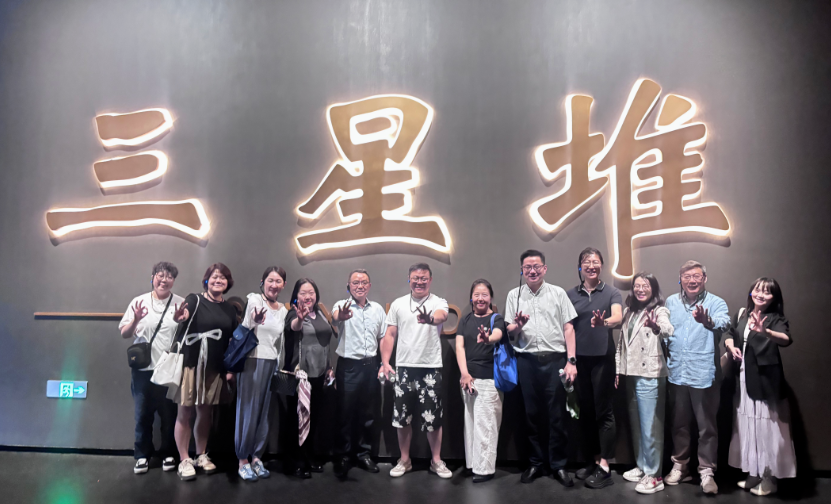
Perhaps the answer lies in another wonder on the same land. Over 2,000 years ago, Li Bing and his people built Dujiangyan. They may not have known it would benefit millennia, but by respecting nature and adapting to circumstances, time gave the best answer. Education is the same: don't worry if you can't see results immediately, don't fear AI disrupting the industry. Respect the essence of education, honor the laws of growth, do what's right, and time will give its answer.
All the consensus and practical experience from this meeting will nourish the DING League rainforest for all members to share and thrive. See you at the third DING League Summit in Malaysia, 2027.


 021-33161136
 office@rayglobal.org